
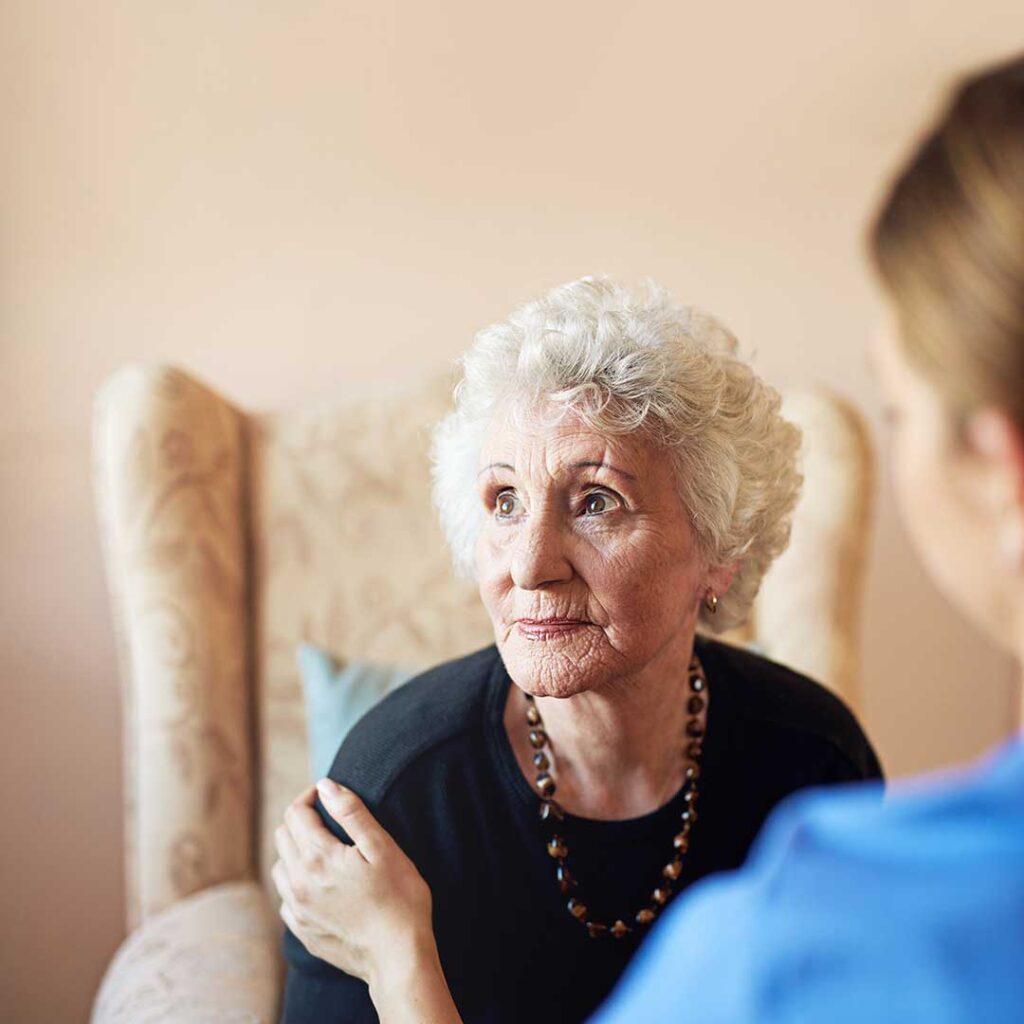
Assisted living facilities play a vital role in supporting older adults who need help with daily activities while maintaining their independence and quality of life. For families in Ridgway, Pennsylvania—a town known for its close-knit community values and strong family traditions—family involvement in assisted living is not just beneficial, but essential for the overall well-being of residents. As more families trust local assisted living communities with their loved ones’ care, understanding the value of ongoing family participation can make a meaningful difference in seniors’ happiness and health outcomes.
Why Family Involvement Matters in Assisted Living
Assisted living communities, while providing skilled care and social opportunities, are at their best when they work in partnership with residents’ families. Family involvement helps:
- Support resident emotional health by reducing feelings of isolation
- Ensure care decisions align with personal values and preferences
- Foster communication between staff and family
- Enhance trust in the quality of care
In Ridgway, where family gatherings and town events are a way of life, the values of community support and frequent connection naturally extend into local assisted living environments.
Emotional Benefits for Seniors
One of the greatest gifts a family can provide to a loved one in assisted living is the reassurance of connection. Regular visits, phone calls, and participation in facility activities:
- Reduce loneliness and depression
- Strengthen residents’ sense of belonging
- Motivate seniors to participate in group activities and therapy
In Ridgway, families often participate in outdoor community events, from elk viewing in the nearby state forests to annual festivals. Bringing a touch of local tradition—such as sharing stories from Clarion-Little Toby Rail Trail hikes or reminiscing about Ridgway’s chainsaw carving heritage—can spark joyful conversations and keep residents engaged with the rhythms of their hometown.
Enhancing Care and Advocacy
Family members provide critical insights into a resident’s preferences, medical history, and routines. When actively involved, families can:
- Help staff understand unique health needs or triggers for behaviors
- Advocate for adjustments in care plans
- Monitor changes in health status
- Share in decision-making processes
This partnership is especially important in small, rural communities like Ridgway, where personal relationships are valued and staff often know families beyond the facility setting.
Bridging the Gap: Local Family Traditions and Assisted Living
Ridgway’s lifestyle emphasizes communal involvement—whether volunteering at local food banks, participating in church groups, or attending Elk County Fair events. Families can:
- Invite residents to local events facilitated by the assisted living facility
- Organize family photo nights or virtual gatherings for out-of-town relatives
- Work with staff to bring in local foods or crafts that spark fond memories
These local touches help residents remain connected to their heritage and maintain their sense of identity.
Overcoming Challenges: Tips for Staying Connected
While family members want to stay as involved as possible, daily responsibilities and distance can make frequent visits difficult. Here are some practical ways Ridgway families can maintain strong connections with their loved ones in assisted living:
- Schedule regular phone or video calls—many facilities have the technology to assist
- Attend monthly family council meetings to discuss care topics with staff
- Participate in community or facility-hosted events, such as Ridgway’s autumn leaf tours or holiday celebrations
- Send letters, photos, or care packages featuring local treats like maple syrup or hand-made crafts
- Collaborate with staff to arrange for transportation to local church services, if the resident is able and interested
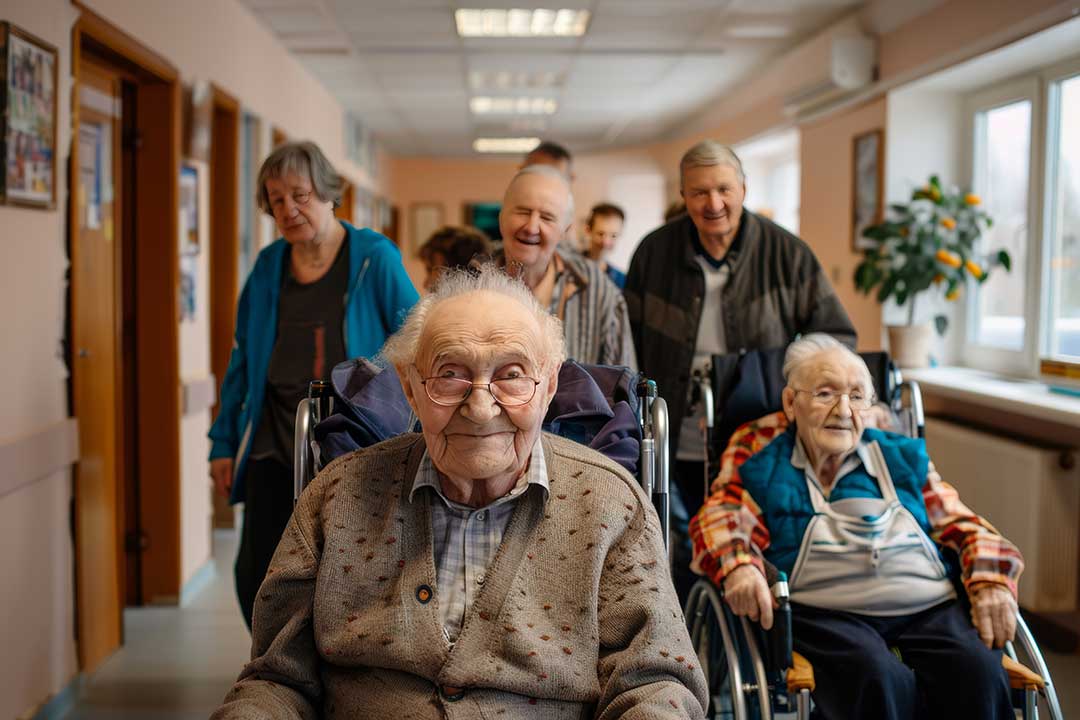
Staying in touch, even from afar, reassures residents that they are cherished and remembered.
Working Together: The Role of Assisted Living Staff
Ridgway’s assisted living communities encourage families to:
- Attend care planning meetings and wellness check-ins
- Volunteer for activities, such as reading groups or art classes
- Provide feedback to help improve service quality
Staff recognize that family members are experts on their loved ones and strive to create a welcoming, inclusive environment. Open communication between families and caregivers helps identify new ways to enrich the assisted living experience.
Making the Most of Family Involvement in Ridgway
Family involvement should evolve as needs change. In Ridgway, many families create a rotation of regular visits, so different members can share the responsibility. Taking advantage of Ridgway’s community resources—like senior center events or intergenerational programs at the Elk County Library—can further strengthen these bonds.
Here are some ideas to maximize involvement:
- Celebrate family traditions and milestones, such as birthdays or anniversaries, within the community
- Share family stories and history with residents and staff
- Take advantage of local volunteer groups that may offer companionship or activity assistance
Strengthening the Ridgway Community Through Assisted Living
Family engagement in assisted living goes beyond individual residents. It reinforces Ridgway’s broader values of neighborliness and mutual support, creating a legacy of caring for older generations. By celebrating local traditions and staying connected, Ridgway families can ensure that their loved ones thrive—physically, emotionally, and spiritually—during their assisted living journey.
Whether you’re just beginning to explore assisted living for a parent or seeking new ways to stay involved, remember that your efforts make a profound difference. In Ridgway, the heart of family and community beats strongest when we come together for those who once cared for us.
