

What does loneliness look like in assisted living?
Loneliness is the painful feeling of being disconnected, even when other people are nearby. A resident may feel lonely after moving away from a longtime home, losing a spouse or friend, becoming less mobile, or adjusting to unfamiliar routines.
Loneliness does not always look like sadness. It may appear as:
- Spending most of the day alone in a room
- Declining meals, activities, or invitations
- Becoming unusually quiet or irritable
- Losing interest in hobbies
- Talking less with family members
- Sleeping poorly or reporting low energy
- Saying, “No one here really knows me”
A person can also feel lonely while attending group activities. Being surrounded by people is not the same as having meaningful connection. Some residents need more time, smaller conversations, or familiar one-to-one contact before they feel comfortable.
Why can loneliness increase after a move?
Moving into assisted living often involves several major changes at once. A resident may leave a familiar house, neighborhood, daily schedule, pets, possessions, and social responsibilities. Even a positive move can involve grief and uncertainty.
Physical changes may add to the difficulty. Hearing loss, vision problems, memory changes, pain, fatigue, or trouble walking can make conversation and participation harder. A resident who misses part of a discussion may stop joining conversations rather than explain the problem.
Family routines can change as well. Relatives may visit less often than expected because of work, transportation, health concerns, or winter weather. In Ridgway, PA, snow, ice, shorter daylight, and changing road conditions can make visits and outings less predictable during colder months. Planning regular indoor contact becomes especially valuable during that season.
Loneliness is not a personal failure. It is a signal that a person may need more suitable opportunities for belonging, communication, or emotional support.
How can a resident begin making connections?
The most useful starting point is usually one manageable interaction rather than a crowded schedule. A resident might sit with the same person at lunch, ask a neighbor about a familiar hobby, or attend an activity for fifteen minutes instead of staying for the entire program.
Small routines help relationships develop naturally. Helpful examples include:
- Saying hello to the same people each morning
- Joining a regular card, music, craft, or discussion group
- Sitting in a common area during a preferred time of day
- Asking another resident to share a newspaper or television program
- Helping set a table, water plants, fold towels, or organize supplies
- Bringing a familiar hobby into a shared space
- Writing down conversation topics before a social event
Residents do not need to become outgoing to feel connected. Quiet companionship can be just as meaningful as extended conversation. Reading near another person, listening to music together, or sharing a cup of tea may provide comfort without requiring constant discussion.
What if group activities feel uncomfortable?
Group activities are not equally appealing to everyone. A person may dislike loud rooms, competitive games, unfamiliar subjects, or events scheduled when energy is lowest. Repeatedly encouraging the same activity may increase frustration rather than reduce loneliness.
It can help to identify the specific barrier:
- Is the room too noisy?
- Is the activity difficult to hear or see?
- Does the resident prefer mornings or afternoons?
- Would a smaller group feel safer?
- Is transportation or walking distance a problem?
- Does the activity conflict with rest, medication, or meals?
- Would the person participate more if a familiar individual attended too?
A resident who dislikes large gatherings may prefer a quiet visit, a hallway conversation, a small Bible study, a puzzle table, or time with one other person. The goal is not maximum participation. The goal is meaningful connection that matches the resident’s personality and abilities.
How can family members provide support from a distance?
Frequent contact matters, but consistency often matters more than length. A predictable ten-minute phone call may be easier to anticipate and appreciate than an occasional long visit.
Family members can make calls more engaging by asking specific questions instead of simply asking, “How are you?” Examples include:
- What was the most pleasant part of your day?
- Did you hear any music you liked?
- Who did you sit with at lunch?
- What should be added to the next care package?
- Would you like to look through old photographs together by video call?
Shared activities can make remote contact feel less formal. Family members might read the same short article, listen to a familiar song, look at photographs, work on a simple puzzle, or discuss a favorite recipe.
Visits are often more comfortable when they include a clear activity. Folding family laundry, arranging photographs, taking a supervised walk, or sharing a snack may create easier conversation than sitting face-to-face with nothing planned.
How can assisted living staff notice and respond to loneliness?
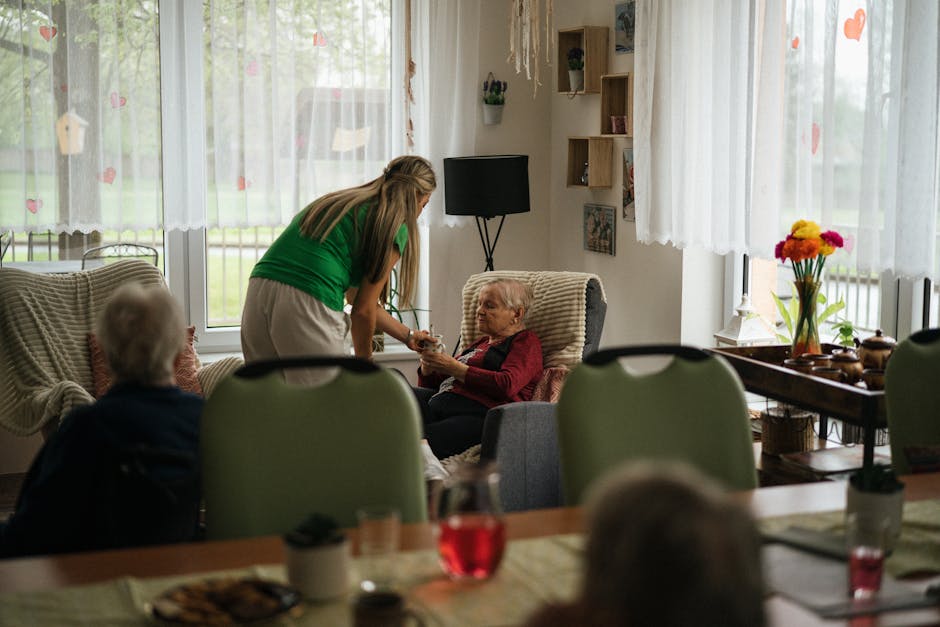
Staff members can look for changes rather than waiting for a resident to say, “I am lonely.” A resident who stops attending meals, spends more time in bed, or loses interest in familiar activities may need a closer conversation.
Useful questions are direct but gentle:
- “Have you been feeling connected to people here?”
- “Who do you enjoy spending time with?”
- “Are there times of day that feel especially lonely?”
- “Would you prefer a quiet visit or a group activity?”
- “Is there anything making it hard to join others?”
Matching matters. A resident who enjoyed gardening may connect with someone who likes plants. A former teacher may enjoy helping with reading. Someone who worked with tools may prefer practical projects. Shared interests often provide a stronger beginning than simply placing people together by age.
Hearing aids, glasses, mobility devices, and clear access to common areas also affect social participation. Addressing these practical needs can make conversation possible again.
When is loneliness a health concern?
Loneliness deserves attention when it lasts, worsens, or changes daily functioning. It may occur alongside depression, anxiety, grief, sleep problems, medication effects, cognitive changes, or physical illness.
A resident should tell a trusted care team member or health care professional if loneliness is accompanied by:
- Persistent sadness or hopelessness
- Major changes in appetite or sleep
- Loss of interest in nearly everything
- Frequent worry or panic
- Confusion or sudden behavior changes
- Thoughts of self-harm or not wanting to live
Immediate safety concerns require urgent help through emergency services or a crisis resource. Loneliness should not be dismissed as simply part of aging. It can be addressed through emotional support, practical adjustments, social opportunities, and treatment of related health concerns.
What daily habits can reduce isolation?
Connection is easier to maintain when it becomes part of the daily rhythm. A resident might choose one social contact before breakfast, one shared activity after lunch, and one family connection during the evening.
A simple weekly plan could include:
- Two scheduled phone or video calls
- Three meals eaten with others
- One preferred group activity
- One individual visit or conversation
- Time outdoors or near a bright window when conditions allow
- A personal hobby that can be shared with another person
The plan should remain flexible. Rest, illness, weather, and changing energy levels may require adjustments. The most effective approach is usually steady, personal, and realistic—not a full calendar of activities.
What should residents remember?
Feeling lonely after moving into assisted living is common, but it does not have to become permanent. Relationships often grow through repeated ordinary moments: sitting beside someone at breakfast, sharing a familiar interest, greeting the same staff member, or talking with family on a dependable schedule.
A resident does not need to enjoy every activity or become comfortable with everyone. Finding one person, one routine, or one place that feels welcoming can provide a practical beginning.
