
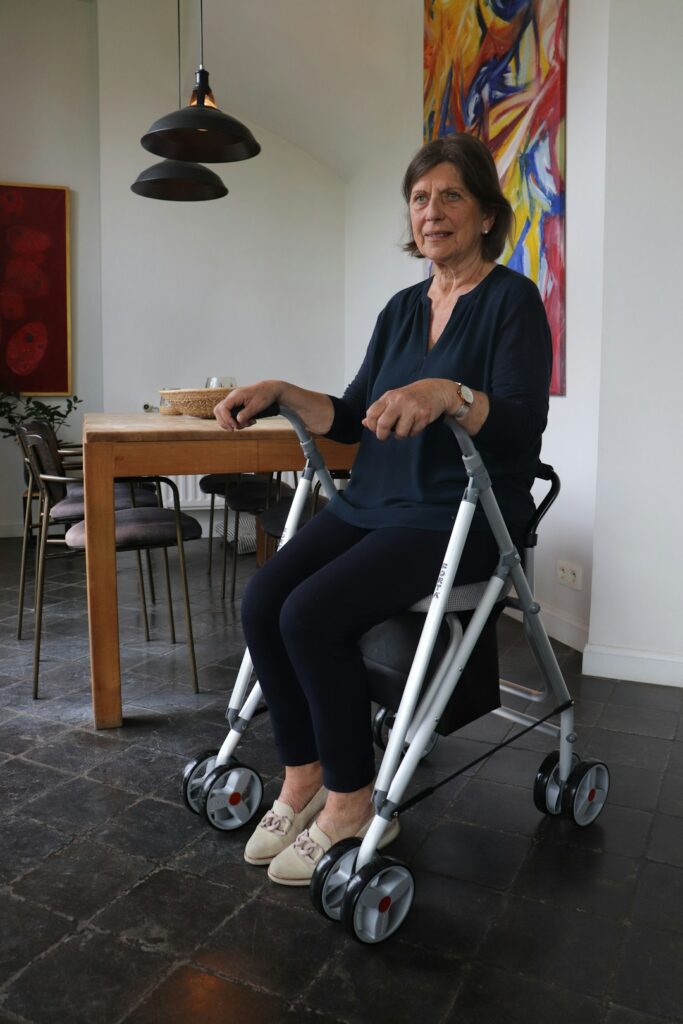
Assisted living can support senior mobility by combining safer surroundings, regular movement, help with daily routines, and attention to each resident’s abilities. The goal is not to make every person exercise the same way. It is to help older adults remain as independent, steady, and confident as possible.
Mobility includes more than walking. It also involves standing from a chair, getting in and out of bed, moving through a hallway, using stairs, reaching for belongings, and completing personal-care tasks. These everyday movements often determine how much independence a person can maintain.
Why mobility may decline with age
Mobility can change because of weaker leg muscles, arthritis, balance problems, vision changes, neurological conditions, pain, fatigue, or fear of falling. A hospital stay or extended period of inactivity may also make ordinary movement more difficult.
Cold temperatures, snow, ice, and uneven outdoor surfaces can create additional challenges for older adults in Ridgway, PA. During winter, a person who normally walks outdoors may spend more time inside. Without regular movement, strength and endurance can decline quickly.
Reduced activity can create a cycle: a person feels unsteady, moves less, becomes weaker, and then feels even less confident. Assisted living can interrupt that cycle by making movement part of the daily routine rather than an occasional task.
How does assisted living encourage daily movement?
Assisted living communities are generally designed so residents can reach dining areas, common rooms, activity spaces, and outdoor areas without managing a large private home alone. Short walks to meals, social activities, or a mail area may provide repeated opportunities to move throughout the day.
Daily routines may include:
- Walking to and from meals
- Standing and sitting during group activities
- Moving between rooms instead of remaining in one area
- Participating in gardening, crafts, music, or games
- Walking with a mobility aid when appropriate
- Completing parts of personal care independently
These small amounts of movement can be meaningful. Mobility is often maintained through frequent, manageable activity rather than one demanding workout.
Staff support should encourage residents to do the parts of a task they can safely manage. For example, a resident may be able to choose clothing, stand while getting dressed, or walk a short distance with supervision even if help is needed with other steps.
What types of exercise may be available?
A well-rounded mobility program may include strength, balance, flexibility, and endurance activities. Exercises should be adapted to a resident’s health conditions, current abilities, and care plan.
Common examples include:
- Seated leg lifts and ankle movements
- Repeated sit-to-stand practice from a sturdy chair
- Light resistance-band exercises
- Supported standing and weight shifting
- Gentle stretching
- Short indoor walking sessions
- Tai chi or other slow, controlled movements
- Group exercise led at different ability levels
Strength exercises can help with tasks such as rising from a chair, getting out of bed, and climbing a small step. Balance activities may improve steadiness during turns and transfers. Stretching can support comfortable movement, while walking and other endurance activities can make daily tasks less tiring.
A person does not need to complete the same exercises as everyone else. Someone using a wheelchair may work on upper-body strength, trunk control, transfers, and supported standing. Another resident may focus on longer walks or navigating outdoor paths.
How does the physical setting affect mobility?
The environment can either support movement or make it harder. Helpful features may include clear walking paths, adequate lighting, sturdy handrails, accessible bathrooms, non-slip flooring, and seating areas where residents can rest.
Furniture placement also matters. Walkways crowded with tables, loose cords, small rugs, or poorly positioned chairs can increase the chance of tripping. Frequently used items should be easy to reach without climbing, stretching too far, or bending in an unstable position.

Good lighting is especially useful during evening and early-morning hours. Glare, shadows, and poor contrast can make it harder to identify floor edges or obstacles. Residents with vision changes may need additional environmental adjustments.
Outdoor access can support physical and emotional well-being, but seasonal conditions require attention. Snow, ice, wet leaves, and uneven ground should be addressed before outdoor walking is encouraged. On difficult-weather days, indoor walking routes and movement activities can help maintain consistency.
Does assistance with walking reduce independence?
Not necessarily. Appropriate assistance can protect independence by helping a resident move safely instead of avoiding movement altogether. The key is using the least amount of support that is safe and effective.
A walker, cane, wheelchair, grab bar, or staff escort may allow someone to participate in activities that would otherwise feel too risky. Mobility devices should be used correctly and fit the resident’s needs. Staff may also remind residents to wear supportive footwear, rise slowly, and pause before walking if dizziness occurs.
Too much help can sometimes reduce activity. If a person is physically able to complete part of a transfer or walk a short distance, taking over every step may unintentionally contribute to weakness. Care planning should balance safety with opportunities for participation.
How are falls and health changes addressed?
Fall prevention is closely connected to mobility. Staff may observe changes in walking speed, balance, posture, strength, alertness, or the ability to transfer. A sudden change can signal pain, infection, medication effects, dehydration, vision problems, or another health concern.
Medication reviews, vision care, appropriate footwear, safer room layouts, and strength-and-balance exercises may all contribute to fall prevention. A fall should not be treated as an unavoidable part of aging. It is a reason to reassess the person’s health, environment, and daily support.
Residents and families should ask what happens after a change in mobility. Useful questions include:
- Is the resident’s walking ability documented and reviewed?
- How are mobility devices selected and maintained?
- Are exercises adapted for arthritis, stroke recovery, memory loss, or other conditions?
- What support is available during bathing, transfers, and nighttime walking?
- How are winter weather and outdoor surfaces handled?
- How are families informed about a noticeable decline?
What should families understand about mobility goals?
Mobility goals should be specific and realistic. “Stay active” is broad, while “walk to the dining room with a walker and supervision” gives the resident and care team something clear to work toward.
Progress may appear in small ways: standing longer, needing fewer reminders, walking farther, transferring with less assistance, or recovering more quickly after activity. Improvement is not always the goal. For some residents, maintaining current abilities and preventing further decline is a valuable outcome.
Exercise should stop if a resident experiences chest pain, severe shortness of breath, faintness, sudden weakness, or unusual pain. New or worsening mobility problems need medical evaluation, particularly after a fall or illness.
The most effective approach treats movement as part of everyday life. Safe walking, purposeful activities, suitable assistance, and regular reassessment can help older adults preserve function while allowing care to change as their needs change.
